


















How to Choose the Best Tarnish-Free Jewellery in Pakistan

The best tarnish-free jewellery is not simply the piece carrying the strongest “never fades” claim. A reliable choice depends on the base metal, colour and surface finish, coating method, construction, how often you will wear it, exposure to sweat, water, perfume or sanitiser, and the care instructions supplied by the seller.
For many shoppers in Pakistan, good-quality stainless steel is one of the most practical combinations of durability, appearance and price. However, the base metal and the visible finish are not the same thing: a steel piece may resist corrosion well while a coloured coating, stone setting or clasp needs separate care.
Best Tarnish-Free Jewellery: Quick Buying Guide
| Your priority | What to consider | What needs extra care |
|---|---|---|
| Maximum colour stability | Natural silver-colour stainless steel | Scratches and surface marks |
| Gold-colour everyday jewellery | Stainless steel with a clearly described durable coating | Friction, perfume, sanitiser and chemicals |
| Earrings for frequent wear | Lightweight designs with smooth posts and secure backs | Hygiene and individual metal sensitivity |
| Daily necklaces | Simple chains with secure clasps | Sweat, perfume and hair products |
| Everyday rings | Smooth, comfortable stainless-steel designs | Handwashing, sanitiser and desk friction |
| Bracelets | Secure clasps and practical designs | Contact with desks, bags and other bracelets |
| Anklets | Strong links and comfortable closures | Dust, footwear friction, sweat and water |
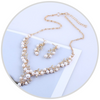
| Matching jewellery sets | Clearly stated materials for every included piece | Stones, glue and differences between components |
| Sensitive skin | Clear material and nickel information | Broad “hypoallergenic” claims without specifications |
| Swimming or showering | Product-level water guidance | Chlorine, saltwater, soap, shampoo and coatings |
These are general buying recommendations. Always check the specifications and care guidance for the exact product you intend to purchase.
What Does “Best Tarnish-Free Jewellery” Actually Mean?
“Best” depends on purpose. A daily ring faces handwashing, sanitiser and constant contact with surfaces, while earrings may encounter less friction but require greater attention to comfort, hygiene and metal sensitivity.
A useful comparison balances tarnish resistance, colour durability, comfort, design, construction, price, care requirements and intended use. It also helps to understand the difference between anti-tarnish, tarnish-free and tarnish-resistant language before comparing products. Read our guide to anti-tarnish, tarnish-free and tarnish-resistant jewellery.
Start With the Base Metal
Stainless steel
Stainless steel is widely chosen for affordable everyday jewellery because it generally offers good corrosion resistance, strength and low-maintenance care. These qualities can be particularly useful in Pakistan’s hot weather, where perspiration and humidity are common. Performance still varies by alloy, finish and construction, so do not assume every unlabelled steel item is 316L or nickel-free. Learn more in our stainless steel tarnish guide.
Sterling silver
Sterling silver can tarnish, especially when exposed to air, moisture and sulphur-containing substances. Its advantage is that it can often be polished and restored, making it a good choice for buyers who value precious-metal character and accept occasional maintenance.
Brass, copper and mixed-metal jewellery
These materials support a wide range of designs and price points, but their appearance often depends heavily on plating and care. Buyers should ask what lies beneath the visible finish and whether every component uses the same material.
Solid precious metals
Solid gold and other precious metals belong to a different budget category. They may suit buyers seeking fine jewellery or long-term material value, but they are not directly comparable with affordable fashion jewellery.
Natural Silver-Colour vs Gold-Colour Stainless Steel
Natural silver-colour stainless steel
Natural steel colour avoids dependence on a gold-colour surface layer. It can be a strong option for rings, bracelets, travel jewellery, low-maintenance wardrobes and shoppers who prefer silver-tone designs.
Gold-colour stainless steel
Gold-colour steel combines a corrosion-resistant base with a coloured surface finish. Its durability depends on the coating process, preparation, thickness, friction, chemical exposure and care. PVD coatings are generally regarded as more wear-resistant than simple conventional plating, but a buyer should only treat a piece as PVD-coated when the seller or manufacturer confirms it. See whether gold-plated stainless steel jewellery can fade.
Look Beyond the Main Metal
A jewellery piece can contain stones, pearls, enamel, glue, thread, elastic, springs, clasps, earring backs, charms and soldered or joined sections. These components may react differently to water, heat and chemicals. A stainless steel chain does not automatically mean its glue-set stones or plated clasp have identical durability. Evaluate the complete piece, not only the headline material.
Why Pakistan’s Climate Matters
Heat, humidity and perspiration increase the amount of moisture, salt and residue that touches jewellery. Dust, skin oils, perfume, sunscreen, hand cream and sanitiser can also collect on the surface. In this environment, regular wiping and drying matter even when the underlying metal is corrosion-resistant. After a hot day, wipe the piece with a soft dry cloth before storage.
Which Tarnish-Free Jewellery Is Best by Category?
Earrings
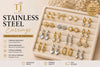
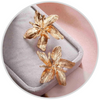
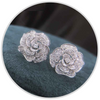
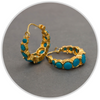
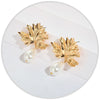
For frequent wear, prioritise lightweight construction, smooth posts, secure backs and clear material information. Clean posts regularly and stop wearing any piece that causes irritation. Explore stainless steel earrings.
Necklaces
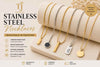
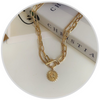
Daily necklaces benefit from simple chains, secure clasps and finishes that tolerate routine contact with skin. Apply perfume and hair products before wearing the necklace, then let them dry. Browse stainless steel necklaces.
Pendants
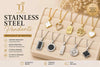
Check both the pendant and the chain because they may use different materials or finishes. Stone-set and enamel designs can need more careful cleaning. View stainless steel pendants.
Bracelets
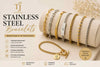
Bracelets encounter desks, sleeves, bags and other jewellery, so clasp strength and scratch resistance matter. A practical design is usually better for everyday use than a delicate one. Shop stainless steel bracelets.
Rings
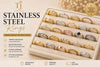
Rings face the hardest routine: soap, sanitiser, washing, friction and impact. Natural steel-colour designs are often the simplest low-maintenance option. For coated rings, follow the seller’s water and care guidance. Browse stainless steel finger rings.
Anklets and payal
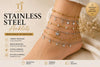
Anklets meet sweat, dust, footwear and frequent movement. Look for strong links, comfortable edges and a dependable closure. Explore stainless steel anklets and payal.
Jewellery sets
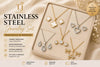
For a matching set, check the material of every included item rather than assuming all components share one specification. Stones, clasps and earring posts may need different care. View stainless steel jewellery sets.
Best Choices for Different Lifestyles
University and office wear
Choose lightweight, comfortable pieces with simple shapes and secure closures. Natural steel colour or clearly specified durable coatings are practical for long days.
Frequent handwashing
Rings and bracelets receive the most exposure. Remove them when practical, dry both jewellery and skin thoroughly, and avoid trapping soap beneath a ring.
Hot weather and perspiration
Prefer easy-to-clean designs without deep crevices. Wipe jewellery after wear and allow it to dry fully before storing it.
Travel
Low-maintenance stainless steel pieces can be convenient because they are strong and comparatively affordable. Store items separately so chains do not knot and surfaces do not scratch one another.
Weddings and occasional wear
More decorative plated, stone-set or pearl designs can be suitable when their appearance is the priority and they are stored carefully between events.
People with sensitive skin
Ask for the exact material used in posts, backs, clasps and the main body. “Hypoallergenic” is not a guarantee for every person. Anyone with a known allergy or persistent reaction should seek advice from a qualified medical professional.
What Should You Check Before Buying?
- What is the base metal?
- Is the whole piece stainless steel or only the main body?
- Is the steel grade stated?
- Is the colour natural, plated or coated?
- What coating method is used?
- If PVD is claimed, is it explicitly confirmed?
- Are stones, pearls or enamel glued or mechanically set?
- Are posts, backs, clasps and jump rings made from the same material?
- What water and sweat guidance is provided?
- Are care instructions included?
- Is there a colour warranty, and what does it cover?
- Does the claim cover the whole piece or only the main metal?
- Is the design suitable for your intended wearing frequency?
- Are the seller’s claims realistic, or do they rely on absolute promises?
If product specifications are limited, treat strong durability claims cautiously and choose based on confirmed facts.
Marketing Claims That Need Careful Interpretation
“Never fades”
No seller can control every wearer’s chemistry, routine and chemical exposure. Look for material and coating details instead of relying only on an absolute phrase.
“100% waterproof”
Water resistance of the metal does not automatically cover coatings, glue, stones, elastic or clasps. Ask whether the guidance includes showers, pools, seawater and detergents.
“PVD jewellery”
PVD describes a coating process, not one universal quality level. Durability still depends on preparation, coating specification and care.
“Hypoallergenic”
Sensitivity varies between individuals. Exact alloy and component information is more useful than a broad label.
“18K gold plated”
This describes the gold fineness associated with the colour layer, not the thickness, method or expected lifespan of the coating.
“Stainless steel”
This identifies a material family. It does not automatically confirm a particular grade, coating, nickel content or water guidance.
Is More Expensive Tarnish-Free Jewellery Always Better?
No. A higher price may reflect better materials, a more durable coating, stronger construction, stones, branding, packaging, warranty, customer service or imported costs. Price alone does not prove tarnish resistance. A lower-priced stainless steel design can offer excellent value when the specifications are clear and the construction suits its intended use.
What Should Resellers and Shopkeepers Check?
Before buying stock, ask suppliers about the base material, steel grade where available, coating method, water and sweat guidance, warranty, care instructions, findings and clasps, colour variants and any available testing. Product descriptions should match the evidence. “Tarnish-resistant under normal use” is often more responsible than an unconditional lifetime promise.
How to Make Tarnish-Resistant Jewellery Last Longer
- Apply perfume, lotion and hairspray first, then let them dry.
- Wipe away sweat after wear.
- Remove jewellery before swimming unless the product guidance explicitly allows it.
- Avoid bleach, strong cleaners and harsh chemicals.
- Remove rings and bracelets for heavy manual work.
- Clean with a soft cloth and mild product-appropriate method.
- Do not use toothpaste or aggressive abrasives.
- Store pieces separately to reduce scratching and tangling.
- Make sure jewellery is completely dry before storage.
- Follow the care instructions for the exact piece.
For a simple maintenance routine, read how to clean stainless steel jewellery.
Final Verdict: What Is the Best Tarnish-Free Jewellery in Pakistan?
For affordable everyday use, good-quality stainless steel is one of the strongest practical options. Natural silver-colour steel usually has the simplest durability story because there is no gold-colour layer to preserve. Gold-colour stainless steel can also perform well, but its appearance depends more heavily on the confirmed coating method and care.
The best piece is one with a clearly stated base metal, realistic claims, construction suited to its category, practical care guidance and a design that fits your routine. Explore TJ Wholesale’s stainless steel jewellery collection in Pakistan at wholesale prices. You can order even one piece—no bulk purchase is required.
Frequently Asked Questions
Which jewellery material is best for resisting tarnish?
Stainless steel is one of the most practical affordable choices because it generally resists corrosion and tarnish better than many common fashion-jewellery base metals. Exact performance depends on alloy, finish, construction and care.
Is stainless steel completely tarnish-free?
It is highly resistant under normal conditions, but no jewellery should be treated as indestructible. Harsh chemicals, salt, deposits, scratches and mixed components can still affect appearance.
Is gold-colour stainless steel tarnish-free?
The steel beneath may be corrosion-resistant, while the gold-colour surface can still wear or fade. Coating method, friction and chemical exposure are important.
Is PVD jewellery better for daily wear?
A well-applied PVD coating is generally considered more wear-resistant than simple conventional plating, but PVD is not a guarantee against every type of wear. Confirm the product specification and follow its care guidance.
Can tarnish-free jewellery be worn in the shower?
Only when the seller’s product-level guidance allows it. Soap, shampoo, hot water and repeated exposure may affect coatings, stones, glue or other components even when the main metal tolerates water.
Which jewellery category usually lasts longest?
Pieces with simple construction and lower friction often have an advantage. Rings and bracelets usually receive more wear than earrings or pendants, but material and care remain decisive.
Is tarnish-free jewellery safe for sensitive skin?
Tarnish resistance and skin compatibility are different questions. Ask for exact alloy and component information, especially for earring posts, backs and clasps. Stop use if irritation occurs.
Can anti-tarnish jewellery turn green?
Green marks are often associated with copper-containing metals or certain surface reactions. Stainless steel is less likely to cause this under normal use, but mixed metals, coatings and residue can change the outcome.
How long does tarnish-free jewellery last?
There is no universal lifespan. It depends on the base metal, finish, frequency of wear, friction, chemicals, climate and maintenance.
Is expensive tarnish-free jewellery always better?
No. Compare verified materials, coating information, construction, warranty and care guidance. Price can reflect many factors besides durability.